
Is It Time to Downsize?
6 Clear Signs to Watch For
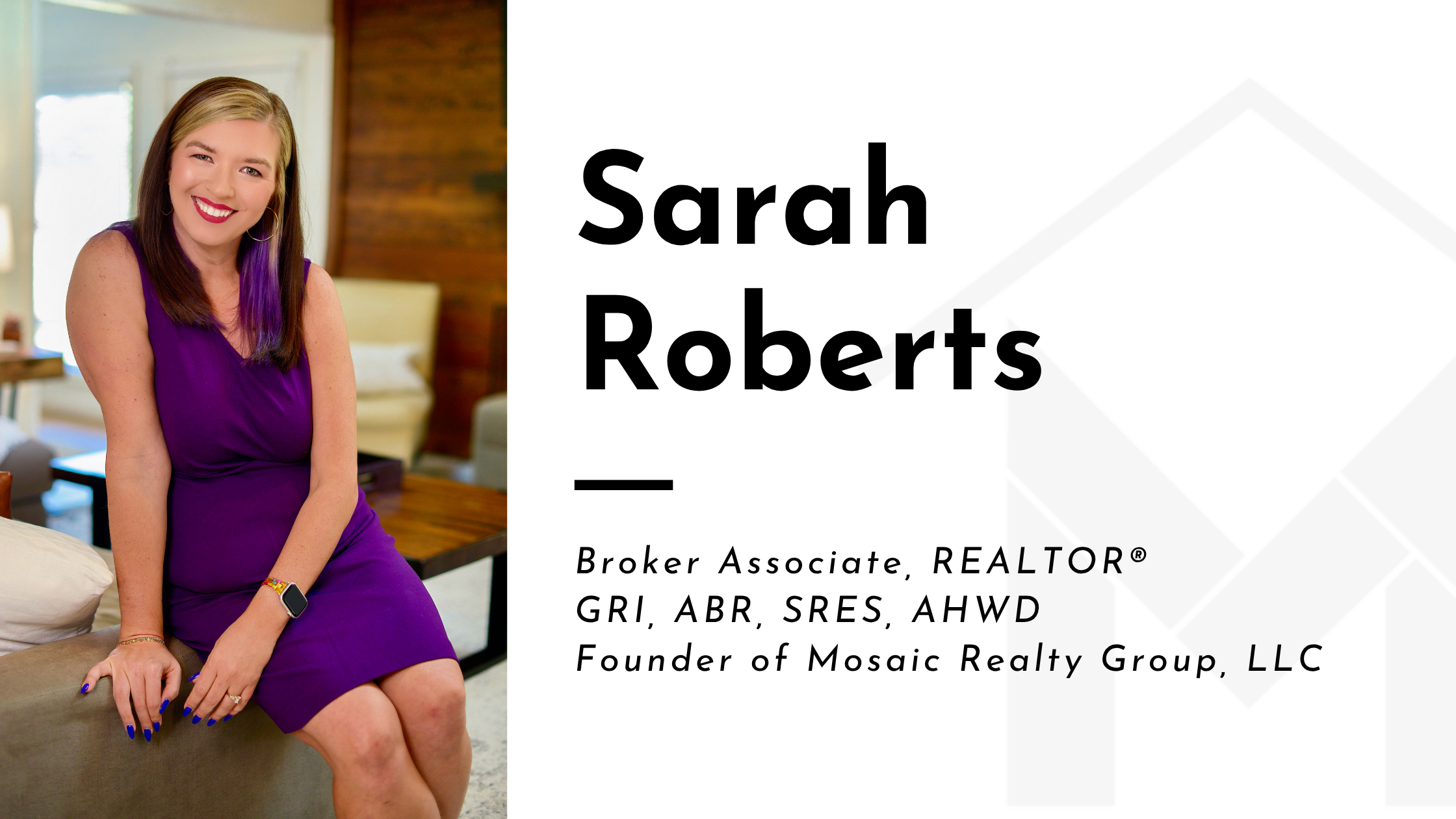
Written by Sarah Roberts, Broker Associate with Mosaic Realty Group
If you're wondering whether it's time to downsize your home, start by looking at how well your home fits your life today.
Common signs include having more space than you use, feeling overwhelmed by maintenance, wanting to reduce housing expenses, or realizing that your location or layout no longer fits the way you want to live.
But downsizing isn't simply about moving into a smaller house. It's about deciding whether a different home could better support your lifestyle, finances, and plans for the years ahead.
At Mosaic Realty Group, we help homeowners throughout DFW think through that decision before they ever have to make a move.
Here are six signs it may be time to start exploring your options.
1. You're Using Less of Your Home
Take a walk through your house and think about how you actually use it.
Are there bedrooms that mostly stay empty? A formal dining room you rarely use? An upstairs that you don't really need anymore?
Extra space isn't necessarily a problem. But when you're regularly cleaning, maintaining, heating, cooling, and paying for rooms you rarely use, it may be worth asking whether all that space still serves you.
For many homeowners, downsizing isn't about wanting a small home. It's about wanting the right amount of home for the way they live now.
2. Maintaining Your Home Is Taking Too Much Time or Energy
Every home requires maintenance. But a larger yard, multiple stories, aging systems, a pool, or simply more square footage can eventually become more than you want to manage.
Maybe weekends that used to be spent enjoying the house are now spent taking care of it.
Or perhaps you're increasingly paying other people to handle maintenance you once did yourself.
Neither means you have to move.
But if maintaining your home is keeping you from enjoying it, that's a good reason to consider whether a lower-maintenance property could make everyday life easier.
3. You Want to Reevaluate What You're Spending on Housing
One of the most common reasons homeowners consider downsizing is financial.
A smaller or different home may reduce some expenses, but it's important not to assume that smaller automatically means cheaper.
Compare the complete cost of staying versus moving, including:
Mortgage payments
Property taxes
Homeowners insurance
Utilities
HOA dues
Regular maintenance
Upcoming major repairs
Moving and selling expenses
The purchase price and financing of your next home
This is especially important in DFW. Property taxes, insurance, HOA costs, home prices, and maintenance needs can look very different from one community to another.
Sometimes downsizing creates meaningful savings. Other times, the biggest benefit isn't financial at all. It may be less maintenance, a better location, or a home that works better for the future.
The numbers should be part of the decision, not the entire decision.
4. Your Lifestyle Has Changed
The home you chose ten or twenty years ago was probably selected for the life you were living then.
Your life today may look completely different.
Maybe your children have moved out. You're approaching retirement. You're traveling more. You work differently. You want to be closer to family. Or you're simply ready to spend less time taking care of a house.
This is where we encourage homeowners to ask a different question.
Instead of only asking:
“How much space do I need?”
Ask:
“How do I want to live over the next several years?”
That answer can change everything about what your next home should look like.
5. You Want a Home That Will Work Better for the Future
Downsizing can also be an opportunity to think ahead.
For some homeowners, that means looking for a one-story home. For others, it means fewer stairs, a smaller yard, a lock-and-leave property, or being closer to family, healthcare, shopping, or activities.
You don't have to wait until your current home becomes difficult to manage.
Planning while you still have choices gives you more control over where you go, when you move, and what you want your next home to provide.
6. You Keep Thinking About Downsizing
Sometimes this is the biggest sign.
If you've caught yourself wondering what your home is worth, looking at smaller homes online, thinking about moving closer to family, or imagining what life might look like with less to maintain, there's probably a reason.
That doesn't mean you should put a For Sale sign in the yard tomorrow.
It means the idea may be worth exploring.
You can learn about your options without committing to a move.
And in our experience, starting that conversation early is much easier than trying to make every decision once a move becomes necessary.
So, How Do You Know If Downsizing Is Right for You?
There isn't a formula that says having two or three of these signs means you should sell your home.
The better question is whether your current home still supports your priorities.
Ask yourself:
How much of my home do I actually use?
What do I still love about living here?
What has become difficult or frustrating?
How much does this home really cost me each month and year?
Are there major maintenance expenses coming?
Where would I want to live if I moved?
What would I want my next home to make easier?
How important is being closer to family, friends, healthcare, or activities?
Would I prefer a one-story or lower-maintenance property?
What do I want everyday life to look like five or ten years from now?
You may answer those questions and decide your current home still makes perfect sense.
That's useful information too.
The goal isn't to convince yourself to move. It's to understand your options well enough to make an informed decision.

How Do You Start Downsizing Without Feeling Overwhelmed?
You don't need to begin by packing boxes.
Start with the big picture.
Understand what your current home may realistically sell for and what the type of home you're considering would cost.
Explore before you commit.
Look at different homes and communities. You may discover that what you thought you wanted isn't actually the best fit, or you may find options you hadn't considered.
Think about your timeline.
Some homeowners are ready to move within a few months. Others begin planning a year or more ahead. Your timeline should reflect your finances, your home, the market, and how much preparation you want to do.
Begin sorting gradually.
One closet is a start.
Work through belongings by room or category and decide what you want to keep, give to family, donate, sell, or discard.
Starting early gives you the luxury of making thoughtful decisions instead of rushed ones.
Plan the sale and purchase together.
If you're selling your current home and purchasing another, these shouldn't be treated as two completely separate decisions.
Will you need the proceeds from your current home to purchase the next one? Could you buy first? Would you rather sell first? How much overlap are you comfortable with?
Understanding those pieces early helps us build the right strategy around you.
Common Downsizing Mistakes to Avoid
One of the biggest mistakes we see is waiting until a move becomes urgent.
Having time gives you choices.
A few other things to watch for:
Assuming a smaller home will automatically cost less
Underestimating how long it takes to sort through years of belongings
Focusing only on square footage instead of how a home functions
Forgetting to compare property taxes, insurance, HOA dues, and maintenance
Choosing a home for today without considering how it may work several years from now
Looking for the next house before understanding what your current home may realistically sell for
Treating the sale and purchase as completely separate transactions when the timing of one may affect the other
You don't have to solve all of these things before talking with a real estate professional.
In fact, they're exactly the kinds of questions we can help you work through.
What Does Downsizing Look Like in DFW?
There isn't one type of “downsizing home.”
For one homeowner, it may mean moving from a large two-story house in Flower Mound to a smaller one-story home nearby.
Someone else may want to leave a larger property in Highland Village for something with less yard maintenance.
Another homeowner may decide that moving closer to children in Frisco, Plano, Allen, McKinney, or another DFW community matters more than reducing square footage.
We've also worked with homeowners whose search takes them through Lewisville, The Colony, Little Elm, Grapevine, Southlake, Fort Worth, Arlington, and the communities in between.
That's why we don't start a downsizing conversation by asking:
“How small do you want to go?”
We start with:
“What do you want your next home and your next season of life to look like?”
Then we can work backward from there.

How Mosaic Helps Homeowners Plan a Downsize
At Mosaic Realty Group, we know this kind of move is about more than a real estate transaction.
There may be years of memories in your home. Family members may be part of the conversation. You may be deciding what to keep, what to sell, where to go, how much to spend, and whether moving makes financial sense at all.
Our role is to help make those decisions clearer.
We can help you:
Understand what your current home may realistically sell for
Identify updates or preparation that may matter before selling
Compare the financial picture of staying versus moving
Explore homes and communities that fit your priorities
Think through accessibility and future needs
Develop a strategy for selling and buying
Coordinate timing based on your particular situation
Connect you with trusted professionals when you need additional help along the way
Sometimes, after looking at everything, the right answer is not yet.
That's okay.
Good real estate guidance isn't about pushing you toward a transaction. It's about giving you enough information to make a confident decision about what works for you.
FAQ About Downsizing
How do I know if it's time to downsize my home?
It may be time to explore downsizing if you're using less of your home, maintenance feels burdensome, your housing expenses no longer make sense for your goals, or your lifestyle and future needs have changed. You don't have to be ready to move to start exploring whether another home would fit your life better.
What are the most common mistakes people make when downsizing?
Common mistakes include waiting until a move becomes urgent, assuming a smaller home will automatically cost less, underestimating the time needed to sort belongings, and focusing only on square footage. It's also important to compare property taxes, insurance, HOA dues, maintenance, and the cost of your next home before making a decision.
Can downsizing save you money?
Downsizing can reduce some housing expenses, but it doesn't automatically mean you'll spend less. Compare your mortgage, property taxes, homeowners insurance, utilities, maintenance, HOA dues, selling expenses, and the cost of your next home to understand the complete financial picture.
How long does it take to downsize a home?
There isn't one timeline that works for everyone. Some homeowners are ready within a few months, while others begin planning a year or more before moving. Starting early gives you more time to sort belongings, prepare your home, understand your finances, explore your next-home options, and coordinate selling and buying.
How do I start downsizing without feeling overwhelmed?
Start small. Before packing, understand your goals, your home's potential value, and what you're looking for next. Then begin sorting one room, closet, or category at a time. Decide what you want to keep, give to family, donate, sell, or discard. Starting before you're on a moving deadline can make the process much more manageable.
Should I sell my current home before buying my next home?
It depends on your finances, the market, your timeline, and whether you need proceeds from your current home for the next purchase. Some homeowners sell first, while others have the flexibility to buy first. Looking at both transactions together can help determine the strategy that makes the most sense for you.
What should I look for in a home when downsizing?
Look beyond square footage. Consider the home's layout, stairs, maintenance, yard size, monthly expenses, location, accessibility, and proximity to family, healthcare, shopping, and activities. The goal is to find a home that fits both how you live today and how you expect to live in the years ahead.
Thinking About Downsizing?
You don't have to be ready to sell your home to start the conversation.
If you're wondering what your home may be worth, what your next-home options could look like, or how selling and buying could work together, reach out to Mosaic Realty Group.
We can look at the home, the numbers, your timeline, and what you want next, then help you understand your options.
Sometimes that's all you need to know what your next step should be.
A Note from the Author
You Don’t Have to Be Ready to Move
If downsizing has been on your mind, you don’t have to have everything figured out. Sometimes the best first step is simply understanding your options and what could make life a little easier.
My team and I are always here to answer questions, talk through the possibilities, and help you find the path that feels right for you.
Helpful Resources for Your Next Step
If downsizing has you thinking about what comes next, here are a few resources to help you explore your options:
Find Out What Your Home May Be Worth — A helpful first step before deciding whether a move makes sense.
Buy and Sell in Sync — Learn how we help coordinate selling your current home and finding the next one.
Find Your Next Home — Start exploring homes that may better fit your next stage.
Helping a Parent Downsize? — Resources and guidance for families helping a parent plan a move.
