
Renting vs. Owning in Retirement
How to Decide What’s Right for You
By Sarah Roberts, Broker Associate | Mosaic Realty Group
Should you rent or own a home in retirement?
There isn’t one answer that works for everyone. Owning may make more sense if you value long-term stability, want control over your home, and are comfortable with the ongoing costs and maintenance. Renting may make more sense if flexibility, lower maintenance responsibilities, or freeing up home equity are bigger priorities.
The better question isn’t simply, “Is renting or owning better?”
It’s:
Which option works better for the life, finances, and flexibility I want in retirement?
If you’re thinking about downsizing or rightsizing in DFW, here’s what to compare before making that decision.
When Renting in Retirement May Make Sense
Renting can be worth considering if your priority is simplifying your housing responsibilities or keeping your future plans flexible.
Less responsibility for major home maintenance
One of the biggest differences between renting and owning is who is responsible when something needs repair.
As a homeowner, you’re generally responsible for the roof, HVAC system, plumbing, appliances, landscaping, and other maintenance.
With a rental, many of those responsibilities fall to the property owner, depending on your lease.
For someone who wants to spend less time maintaining a home—or simply doesn’t want unexpected major repair projects—that can be meaningful.
More flexibility to move again
Retirement plans can change.
You may decide you want to live closer to children or grandchildren. You may want to try a different community before committing to it long term. Or you may simply not know where you want to stay for the next ten or twenty years.
Renting can give you more flexibility to make another move without having to sell a property first.
An opportunity to access the equity in your current home
If you own a longtime home, selling it and renting could make the equity in that property available for other financial goals.
That doesn’t automatically mean selling and renting is the better financial decision. The complete picture—including rent, moving expenses, investments, taxes, and long-term plans—should be discussed with the appropriate financial and tax professionals.
But home equity is an important part of the conversation.
A chance to try a new location
Maybe you’ve lived in Flower Mound, Lewisville, Highland Village, or another DFW community for years but are wondering what it would be like to live closer to family or in a more walkable or lower-maintenance area.
Renting first can sometimes give you time to learn whether a location really fits before purchasing another home.
What Are the Tradeoffs of Renting in Retirement?
The flexibility of renting comes with tradeoffs.
Your housing cost can change
Rent isn’t permanently fixed. Your payment may increase when a lease renews, and you’ll need to consider how future rent fits into your retirement budget.
You don’t build equity in the property
Rent payments pay for your use of the home, but you don’t own the property or build equity in it.
If leaving a home as part of your estate or maintaining real estate as an asset is important to you, this may factor into your decision.
You have less control over the home
Renters usually have limitations on renovations, modifications, pets, and other changes to the property.
You’re also living in a property someone else owns, which can matter if having long-term control over where and how you live is important to you.
When Owning a Home in Retirement May Make Sense
Owning may still fit retirement very well—especially when the home itself fits the life you want.
The key is not assuming that the home you’ve owned for years is automatically the home you should keep.
Sometimes the better ownership decision is moving into a different property.
You want long-term housing stability
Owning gives you more control over how long you remain in the property.
For someone who knows where they want to live and plans to stay for many years, that stability may be valuable.
You want the freedom to change the home
Homeownership gives you greater control over improvements and modifications.
That could mean changing flooring, renovating a bathroom, adjusting the outdoor space, or choosing a layout that can be adapted as your needs change.
Keeping real estate as an asset matters to you
A home can remain part of your overall financial picture and estate.
However, a home’s value can change, and ownership also comes with expenses. Decisions involving retirement assets, taxes, estate planning, or investments should be discussed with the appropriate financial, tax, or legal professional.
What Are the Tradeoffs of Owning in Retirement?
The purchase price or mortgage payment is only part of what homeownership costs.
Depending on the property, owners may also need to plan for:
Property taxes
Homeowners insurance
HOA dues
Utilities
Landscaping
Regular maintenance
Major repairs
Replacing aging systems or appliances
This is especially important when you’re considering downsizing.
A smaller home does not automatically mean a less expensive home.
A smaller property in a different community could have different property taxes, insurance costs, HOA dues, maintenance needs, or purchase price.
That’s why the comparison should be between the complete cost of your current situation and the complete cost of the next one, not simply square footage.
Renting vs. Owning: Compare the Lifestyle, Not Just the Payment
This is one of the biggest things we encourage homeowners to think about.
Start with the numbers—but don’t stop there.
Ask yourself:
How much home do I actually want to maintain?
Do I want a yard?
Are stairs becoming something I’d rather avoid?
How important is staying in my current community?
Would I like to be closer to children or grandchildren?
Do I want the flexibility to move again?
How important is having control over the property?
Do I want to travel without worrying as much about home maintenance?
What monthly housing expenses feel comfortable?
Do I expect my housing needs to change over the next several years?
Sometimes these questions make the decision clearer than simply comparing rent with a mortgage payment.
Should You Sell Your Current Home and Rent for a While?
For some homeowners, renting doesn’t have to be a permanent decision.
It can be a transition.
You might sell a larger longtime home, rent while deciding where you want to live next, and purchase again later.
That approach may give you flexibility, but it also creates another move and exposes you to future rental and housing-market conditions.
Before choosing it, think through:
Where would you rent?
How long would you realistically stay?
What would the complete monthly cost be?
What would happen to the proceeds from your home sale?
Would you be comfortable moving again?
What would make you ready to purchase another home?
The goal should be a plan—not simply selling first and figuring everything else out afterward.
What About Buying a Smaller Home?
You don’t have to choose between your current house and renting.
There’s a third possibility: owning a home that fits this stage of life better.
That might mean:
A one-story home
Less square footage
A smaller yard
A lower-maintenance property
A townhome
A home closer to family
A home in a different DFW community
A 55+ or active adult community
And sometimes “downsizing” isn’t really about going smaller at all.
It’s about finding a home that requires less from you and gives you more of what matters now.
What Should DFW Homeowners Compare Before Deciding?
If you currently own a home in DFW, start with your actual numbers.
First, understand what your current home may realistically sell for.
Then compare that with the homes or rentals you’re considering.
Look beyond the listing price or monthly rent and consider:
Property taxes
Homeowners or renters insurance
HOA dues
Utilities
Maintenance
Expected repairs
Moving and selling expenses
Financing, if you plan to purchase
Location and transportation
The amount of maintenance you want to handle
Costs can vary significantly from one property to another, even within the same community.
A home that looks less expensive at first glance may not necessarily cost less to own month to month.
How Do You Know Which Option Fits You?
Try this exercise.
Instead of asking:
“Should I rent or buy?”
Write down what you want your housing to accomplish.
Maybe your list looks like this:
Stay close to my family
Have fewer stairs
Spend less time on yard work
Keep enough space for guests
Travel more easily
Stay near my doctors and activities
Know where I’ll live long term
Then compare renting and owning against that list.
You may find that ownership still fits beautifully—but your current house doesn’t.
Or you may realize that renting gives you the flexibility you’ve been wanting.
The goal isn’t to choose the option that sounds better in general.
It’s to choose the housing arrangement that makes the most sense for your next several years.
Not Sure Whether to Rent, Buy, or Stay Put?
You don’t have to decide before you start exploring.
Mosaic can help you understand what your current home may realistically sell for, look at homes that could fit your next stage, compare different DFW communities, and think through how the timing of a sale and move could work.
If renting is part of the conversation, we can also help you think through how that choice fits into the larger real estate decision.
For financial, tax, legal, or estate-planning questions, we’ll always encourage you to involve the appropriate professional as part of your decision.
Sometimes the best first step is simply getting enough information to compare your options.
FAQ About Renting vs. Owning in Retirement
Is it better to rent or own a home in retirement?
Neither option is automatically better. Renting may make more sense if you want flexibility and fewer maintenance responsibilities, while owning may fit better if you value long-term stability, control over your home, and keeping real estate as an asset. Compare the complete financial picture along with how you want to live in retirement.
What are the advantages of renting in retirement?
Renting can reduce responsibility for major home repairs and make it easier to move if your plans change. It can also allow a longtime homeowner to sell a current property and access the equity, although the financial implications of doing so should be discussed with the appropriate financial and tax professionals.
What are the disadvantages of renting in retirement?
Rent can increase over time, renters do not build equity in the property, and rental agreements may limit modifications or other changes to the home. Renting also provides less long-term control over the property than ownership.
Does downsizing in retirement automatically save money?
No. A smaller home does not automatically mean lower housing costs. Compare the purchase price or rent along with property taxes, insurance, HOA dues, utilities, maintenance, financing, and moving expenses before deciding whether a move would actually reduce your costs.
Should I sell my home and rent before buying another home?
It can make sense in some situations, especially if you want time to explore a new location or are unsure what you want to purchase next. However, it also means another move and exposure to future rental and housing-market conditions. Consider your timeline, finances, location, and willingness to move again before choosing this approach.
Should I rent or buy if I might move closer to family later?
Renting may provide more flexibility if you expect another move in the relatively near future. If you already know where you want to live long term, purchasing may be worth considering. The right choice depends on your timeline, finances, available housing options, and how certain you are about the location.
What should DFW homeowners consider before renting or buying in retirement?
Compare more than the monthly payment. Consider property taxes, insurance, HOA dues, maintenance, accessibility, location, proximity to family and healthcare, and how long you expect to stay. If you currently own a home, understanding its potential sale value can also help you compare your options more clearly.
A Note From Sarah
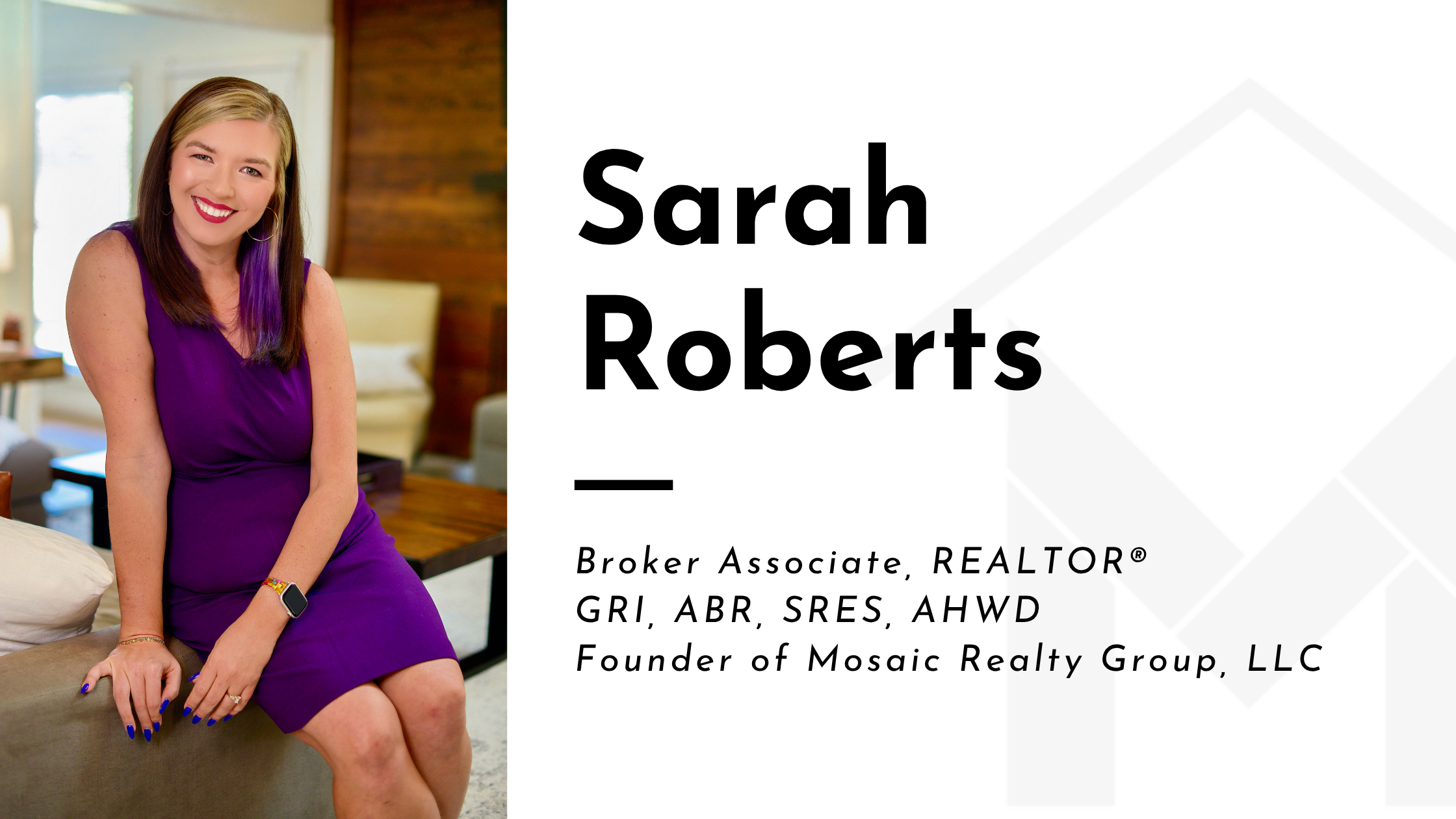
Your next home should make this stage of life easier—not simply be smaller.
When I talk with homeowners about retirement moves, I like to start with what they want everyday life to look like. Renting, buying something different, or staying where you are can all be reasonable options. The important part is understanding the numbers and your priorities before deciding.
Helpful Resources for Your Next Step
If you’re beginning to compare your housing options for retirement, these resources can help you explore what comes next:
Rightsizing With Confidence — Start here if you’re considering downsizing or wondering what a different home could look like.
Is It Time to Downsize? — Consider the lifestyle, financial, maintenance, and future-planning signs that may tell you it’s time to explore another home.
How to Start Downsizing Your Home — A practical guide to planning the home, belongings, finances, sale, and next move without trying to do everything at once.
Find Your Next Home — Explore homes for sale if purchasing another property is one of the options you’re considering.
