Navigating the Next Chapter: When Your Home No Longer Fits Your Life
By Sarah Roberts, Broker Associate | Mosaic Realty Group
Sometimes the house hasn't changed at all—but life has.
Maybe the kids have moved out and several rooms rarely get used. Maybe maintaining the yard, pool, or second floor takes more time than you want to give it. You may be approaching retirement, thinking about living closer to family, or simply realizing that what you wanted from a home years ago isn't what you need today.
When your current home no longer fits your life, you don't have to immediately decide whether to sell. A better first step is to understand what has changed, what you want next, and whether another home would actually improve your everyday life.
That's what navigating the next chapter is really about.
Start With What Has Changed
It's easy to jump straight to the real estate questions:
Should we sell?
How much is our house worth?
Where would we move?
But those questions are easier to answer once you understand what's driving them.
Ask yourself:
Which parts of our home do we still use and enjoy?
Which parts feel like work?
Has maintaining the house become more than we want to manage?
Has our monthly housing cost become something we'd like to change?
Would a different floor plan make everyday life easier?
Do we want to stay close to our current community?
Would we rather live closer to children, grandchildren, friends, work, or activities?
What do we want more time for in the next few years?
You may discover that your current home still works well.
Or you may realize you've been adapting your life around a house that no longer fits it.
Either answer gives you useful information for deciding what comes next.
Don't Start With Square Footage
One of the biggest misconceptions about downsizing is that the goal is simply to find a smaller house.
It isn't.
A better question is:
What kind of home would fit the way you want to live now?
You might want fewer bedrooms but a larger living area because you still love hosting family.
You may want less yard without giving up outdoor space entirely.
You might prefer a one-story home but still want a guest room for grandchildren.
Maybe storage matters more than you expected. Or perhaps a lower-maintenance property sounds appealing because you'd like more freedom to travel.
That's why we sometimes talk about rightsizing rather than simply downsizing. The goal isn't necessarily less. It's finding a home that makes more sense for the life you're living now.
Decide What You Want to Keep
Before thinking about what you're willing to give up, identify what still matters.
Create a short list of the things you genuinely value about your current home and lifestyle.
That might include:
Space for family gatherings
A dedicated guest room
A home office
Outdoor living space
Privacy
A particular community
Proximity to friends or family
Familiar doctors, shopping, restaurants, or activities
Garage or hobby space
Then create a second list of what you would happily leave behind.
Maybe that's stairs, unused bedrooms, a large yard, extensive maintenance, a pool, or simply more house than you want to manage.
These two lists can be much more useful than starting with a bedroom count or square-footage target.
Should You Stay in the Same Community or Move Somewhere New?
For many homeowners, this becomes one of the biggest decisions.
You may love living in Flower Mound, Lewisville, Highland Village, or another DFW community but want a different type of home within the same general area.
Staying nearby can mean keeping familiar routines, relationships, services, and community connections.
For someone else, this transition creates an opportunity to move closer to children or grandchildren elsewhere in DFW—or even outside the area.
Neither choice is automatically better.
Think about where your everyday life actually happens.
Where are the people you see regularly? Where are the activities you enjoy? How much driving do you want to do? What would you miss if you moved farther away?
The location of your next home may affect your everyday life just as much as the home itself.
Compare the Full Cost of the Next Home
A smaller home doesn't automatically mean a less expensive lifestyle.
When comparing your current home with another option, look beyond the purchase price.
Depending on the property, ongoing costs may include:
Property taxes
Homeowners insurance
HOA dues
Utilities
Yard care
Pool maintenance
Routine repairs
Future major systems or maintenance
Costs associated with commuting or regular travel
A lower-maintenance home with an HOA, for example, may shift some expenses rather than eliminate them.
Before deciding that a particular home will simplify your finances, compare the whole housing picture.

Explore What's Available Before Making a Decision
You don't have to be ready to move before you start looking.
In fact, exploring your options early can answer questions that are difficult to solve hypothetically.
Touring a few homes can help you understand:
How much space actually feels comfortable
Whether one-story living matters to you
How much storage you need
What size yard feels manageable
Whether a townhome or lower-maintenance property appeals to you
Which locations still feel like home
What your budget may realistically buy
You may discover that moving makes more sense than you expected.
You may also decide that your current house is still the better fit.
Either way, you've replaced assumptions with useful information.
Understand What Your Current Home Gives You
Your current home is part of the decision too.
Before making plans around a future sale, it helps to understand what your home may realistically be worth, its current condition, and what—if anything—you would need to address before selling.
Don't assume you need to renovate the house before talking with a real estate professional.
Sometimes homeowners spend money preparing for a sale only to learn that a project wasn't necessary for their particular home, market, or goals.
Understanding the property first allows you to make those decisions more strategically.
Think About Selling and Buying as One Plan
If your next chapter includes selling your current home and buying another, don't plan those as two completely separate events.
They affect each other.
Questions to work through may include:
Do you need proceeds from your current home for the next purchase?
Would you prefer to find the next home before listing?
Could you comfortably own two homes temporarily?
What happens if your current home sells before the next one is ready?
How much flexibility do you have around moving dates?
Would temporary housing be an option if it created a better overall plan?
There isn't one sequence that works for everyone.
Your finances, current home, destination, available inventory, timeline, and comfort level all matter.
This is one of the reasons we like to talk through the entire transition early at Mosaic. Understanding both sides of the move can help you see which decisions need to happen first and which ones can wait.
You Don't Need to Clean Out the House Before You Have a Plan
This is especially important if you've lived in your home for a long time.
Please don't feel like you need to empty every closet, organize the garage, donate half your belongings, and make the house "ready" before asking questions.
You can start much smaller.
First, understand:
What you want your next home and lifestyle to look like.
What your current home may realistically be worth.
What next-home options are available.
How the financial and timing pieces might fit together.
Then you'll have much better information for deciding what actually needs to happen.
If sorting belongings eventually becomes part of the plan, our How to Start Downsizing Your Home guide walks through that process step by step.
What If You're Not Ready to Move?
Then you don't have to.
Exploring your options isn't a commitment to sell your house.
Sometimes homeowners wait to ask questions because they think talking to a real estate professional means they're expected to list their home.
It shouldn't.
There is value in understanding what your home may be worth, what another home might cost, and what options are available even if your move is still well into the future.
You might decide to stay exactly where you are.
You might decide to make changes to your current home instead.
Or you may realize that another home could make everyday life simpler.
The benefit of planning early is having choices rather than feeling rushed into a decision later.
When Should You Start Planning Your Next Move?
Start when you find yourself repeatedly wondering whether your current home still fits.
You don't need a moving date.
You don't need boxes.
You don't need a listing plan.
You simply need enough curiosity to start asking questions.
If you're considering a housing transition in DFW, Mosaic can help you look at your current home, possible next-home options, costs, timing, and the logistics of buying and selling together.
The goal isn't to convince you to move. It's to give you enough information to decide whether moving actually makes sense for you.

FAQ About Planning Your Next Chapter
How do I know if my home no longer fits my life?
You may start noticing that you're using less of your home, maintenance takes more time or energy than you want to give it, the layout no longer works well, or your location doesn't fit your current priorities. None of those automatically mean you should move, but they are good reasons to explore whether another home might fit your life better.
Should I downsize or stay in my current home?
Compare what your current home gives you with what you would hope to gain by moving. Consider space, maintenance, ongoing housing costs, location, accessibility, proximity to family, and the lifestyle you want. The right answer depends on your priorities, finances, home, and available alternatives.
Does downsizing always mean buying a much smaller house?
No. Downsizing can mean less square footage, but it can also mean choosing a more practical layout, less yard, fewer unused rooms, one-story living, or a lower-maintenance property. The goal is to find a home that fits the way you want to live now.
Should I find my next home before selling my current home?
It depends on your finances, timeline, available housing options, and whether you need proceeds from your current home for the next purchase. Some homeowners have the flexibility to buy first, while others need or prefer to sell first. Looking at both transactions together can help you determine which sequence makes the most sense.
Do I need to clean out or update my house before talking to a REALTOR®?
No. An early conversation can actually help you avoid unnecessary work. Understanding your home's condition, possible value, likely buyer expectations, and your moving plans can help determine which projects deserve your time and money and which may not be necessary.
What costs should I compare before moving to a smaller home?
Look beyond the purchase price. Compare property taxes, homeowners insurance, HOA dues when applicable, utilities, maintenance, yard care, major home systems, and other recurring housing expenses. A smaller home can simplify life without necessarily reducing every housing cost.
How early should I start planning a future move?
You can start exploring your options before you have a moving date. Learning what your current home may be worth, identifying what you want from your next home, and exploring possible locations can give you useful information without committing you to a move.
A Note From Sarah
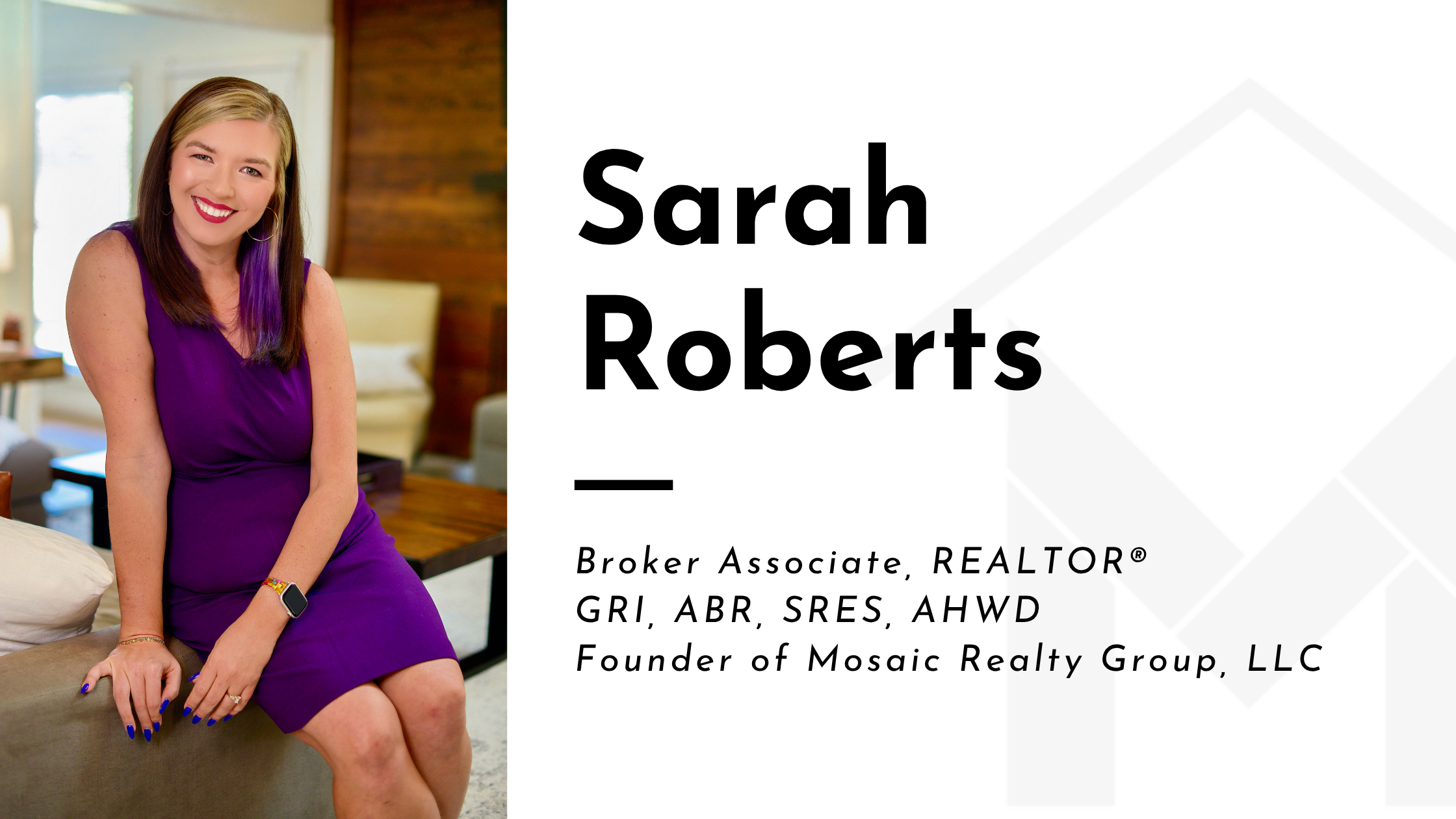
You don't have to know exactly what's next to start figuring out what would fit you better.
Sometimes the first conversation isn't about selling at all. It's simply about what has changed, what you want life to look like next, and whether your current home still supports that. Give yourself time to explore those questions before you feel like you have to make a decision.
Helpful Resources for Your Next Step
Wherever you are in the decision, these Mosaic resources can help you explore the next piece without trying to solve everything at once.
Is It Time to Downsize? — If you're still deciding whether your current home fits, start with practical signs worth considering.
How to Start Downsizing Your Home — If you've decided a smaller or easier-to-manage home may make sense, this guide helps you figure out what to do first.
How to Make Moving Less Stressful — Practical guidance for planning the actual move, from decluttering and packing to movers and first-day essentials.
Helping a Parent Downsize — For adult children helping a parent think through a housing transition, this resource explains how Mosaic can support the family through the process.